
September 2025

formwork lvl
Lvl Framwork

Timber LVL Formwork Prices: What Influences the Cost?

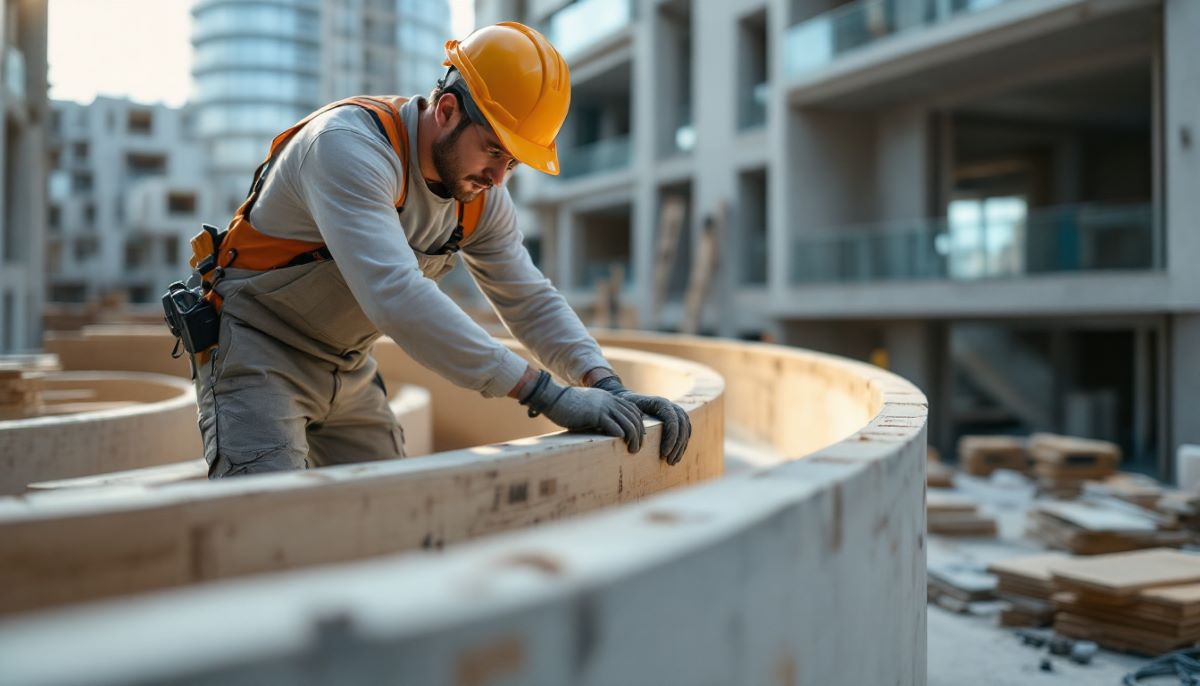
What is Timber LVL Formwork and Why is it Important in Construction Projects? Timber LVL formwork represents a significant advancement in construction technology, combining engineered wood science with practical building applications. LVL (Laminated Veneer Lumber) formwork consists of multiple thin wood veneers bonded together with structural adhesives, creating panels that deliver exceptional strength and dimensional stability for concrete forming applications. You’ll find LVL formwork serving as temporary moulds that shape concrete during the curing process. Unlike traditional timber formwork, these engineered panels provide consistent performance across both vertical and horizontal applications, making them indispensable for modern construction projects ranging from residential foundations to commercial high-rises. The Importance of LVL Formwork in Construction The importance of formwork LVL in construction extends beyond basic concrete shaping. These panels offer superior load-bearing capabilities, allowing contractors to handle heavier concrete pours with confidence. The smooth surface finish reduces the need for additional concrete treatment, whilst the dimensional accuracy ensures precise structural elements. Benefits of LVL Formwork Why Australian Construction Professionals Choose LVL Formwork Australian construction professionals increasingly rely on LVL formwork because it can withstand 15-20 reuse cycles when properly maintained. This durability translates directly into cost savings and reduced material waste on job sites. Factors Influencing Timber LVL Formwork Prices Understanding the factors that influence Timber LVL Formwork Prices empowers you to make informed purchasing decisions. Material quality, manufacturing processes, supplier location, and market conditions all play crucial roles in determining final costs. Smart procurement strategies can significantly impact your project’s bottom line whilst ensuring structural integrity and construction efficiency. What Are The Key Material Quality Factors That Affect Timber LVL Formwork Prices? Material quality is the main reason why LVL formwork prices vary in the Australian construction market. The strength of the veneer is directly related to the type of timber used and how accurately it is made during the lamination process. Higher-quality veneers from top sources like eucalyptus or radiata pine are more expensive because they are stronger and have consistent grain patterns. The type of adhesive used also greatly affects how well the formwork performs and how long it lasts. Phenol-formaldehyde adhesives are highly resistant to moisture and have strong bonding capabilities, making them worth the extra cost compared to regular urea-formaldehyde adhesives. Formwork that uses these high-quality adhesives can withstand multiple concrete pours without losing its shape. Imperfections in the material such as knots, splits, or delamination can significantly impact both the initial price and how many times it can be reused. Manufacturers charge higher prices for Grade A panels with few defects, while Grade B options with minor flaws offer savings for less demanding projects. When comparing standard LVL formwork rated for 40kN/m² with heavy-duty versions that can support 60kN/m² or more, it becomes clear that there is a link between quality and load-bearing capacity. Using better materials with improved durability features means you won’t have to replace them as often, which saves you money in the long run even if you have to spend more upfront. How Do Size And Thickness Influence The Cost Of LVL Formwork? Panel size directly impacts your material costs through increased raw material consumption. Larger dimensions require more veneer sheets and adhesive during manufacturing, driving up production expenses. Standard panels measuring 1200mm x 2400mm cost significantly less per square metre than custom oversized panels reaching 3000mm x 1800mm dimensions. Thickness variations create substantial price differences through additional lamination layers. A 17mm panel typically contains 7-9 veneer layers, while 35mm panels require 15-18 layers. Each additional layer increases: Thicker panels demand more precise pressure distribution during pressing, requiring specialised equipment that manufacturers factor into pricing. You’ll notice 35mm panels cost approximately 40-60% more than 17mm equivalents, reflecting the exponential increase in material and processing requirements. Custom sizing adds 15-25% premium charges due to production line adjustments and reduced manufacturing efficiency. Standard Australian sizes benefit from economies of scale, making them your most cost-effective option when project specifications allow flexibility. How Do Supplier Location And Manufacturing Practices Affect Pricing Of Timber LVL Formwork? Local vs remote suppliers present distinct cost implications that directly impact your project budget. Local manufacturers offer significant advantages through reduced transportation expenses, faster delivery times, and lower handling costs. You benefit from shorter supply chains that eliminate multiple freight charges and reduce the risk of damage during transit. Transportation costs become a major factor when sourcing from distant suppliers. Remote locations require extensive logistics networks, including: Manufacturing practices also influence pricing structures. Local suppliers often maintain leaner operations with direct customer relationships, allowing them to offer competitive rates without intermediary markups. Remote suppliers typically incorporate higher overhead costs to manage complex distribution networks and maintain inventory across multiple locations. Regional manufacturers understand local building codes and specifications, reducing the likelihood of ordering incorrect materials that could result in costly delays or replacements. This local expertise translates into better value propositions for your construction projects. How Do Market Demand And Seasonal Changes Affect Timber LVL Formwork Prices? Market demand plays a crucial role in determining LVL formwork pricing across the Australian construction industry. When multiple large-scale projects launch simultaneously, you’ll notice prices surge as suppliers struggle to meet increased demand. This creates a competitive environment where contractors bid against each other for available stock. Construction seasonality significantly affects pricing patterns throughout the year. Spring and summer months typically see price increases of 15-25% as developers rush to complete projects before winter weather delays. You’ll find the most competitive rates during slower winter periods when demand naturally decreases. Weather disasters create immediate supply chain disruptions that drive prices upward. Recent flooding in Queensland timber regions caused LVL formwork prices to spike by 30% within weeks. Bushfires similarly impact raw material availability, forcing manufacturers to source timber from distant locations at premium costs. You can leverage these patterns by timing your purchases during low-demand periods and maintaining strategic stock levels. Why Does Bulk Purchasing Affect The Cost Of LVL Formwork? Bulk purchasing benefits become immediately apparent when you order large quantities of
Formply Australia
Formwork Plywood

Formply Australia: What It Is and Why Builders Rely on It

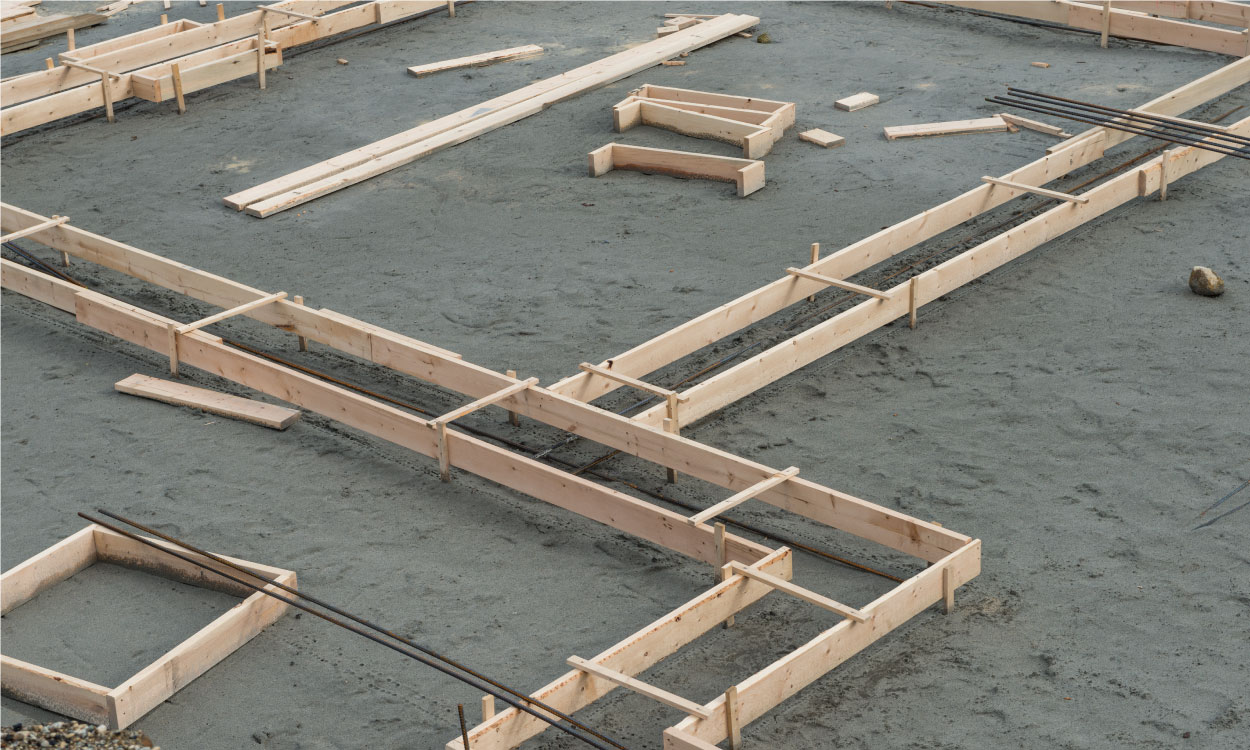
What Is Formply and How Is It Made? Formply is a type of engineered plywood panel specifically designed for use in concrete formwork applications on construction sites in Australia. Unlike regular plywood products, Formply is made with multiple layers of hardwood veneers and has a special surface treatment that makes it ideal for this purpose. How is Formply Made? The manufacturing process involves bonding together sheets of hardwood veneer using a technology called phenolic resin bonding. What sets Formply apart is that during the lamination process, phenolic resin-impregnated paper is applied to both sides of the panel. This creates a smooth, non-porous surface that prevents concrete from sticking while still maintaining the strength of the panel. Key Features of Formply Some of the key features that make Formply suitable for concrete formwork include: Formply panels made for the Australian market meet the standards set by AS/NZS 6669, which ensures that they are of consistent quality and performance. This means you can rely on these panels to deliver good results every time you use them, making them a popular choice among professional builders looking for cost-effective solutions for their formwork needs. Why Do Builders Prefer Formply Over Other Plywood Types? There are several reasons why builders prefer Formply over other types of plywood, such as standard construction plywood and marine-grade alternatives. Here are some key factors that set Formply apart: 1. Durability The durability of Formply sets it apart from standard construction plywood and even marine-grade alternatives. While standard plywood deteriorates quickly when exposed to concrete’s alkaline environment, Formply’s phenolic resin surface maintains its integrity through multiple pours. Marine plywood, though water-resistant, lacks the specialised surface treatment needed for clean concrete release. 2. Superior Finishing Quality High-density overlay (HDO) technology gives Formply a decisive advantage in concrete finishing quality. The smooth, non-porous surface prevents concrete adhesion, eliminating the pitted or textured finishes common with untreated plywood. You’ll achieve consistently smooth concrete surfaces that require minimal post-pour finishing work. 3. Structural Strength Options Structural strength ratings from F14 to F22 allow builders to match panel specifications precisely to load requirements. F14 panels handle standard residential applications, while F17 and F22 grades support heavy commercial and infrastructure projects. This range eliminates over-specification costs whilst ensuring structural adequacy. 4. Cost Savings Through Reusability The reusability factor delivers significant cost savings. Quality Formply panels withstand 20-50 uses with proper handling, compared to 3-5 uses for standard plywood. Combined with superior moisture resistance, this extended lifespan reduces material costs per pour substantially, making Formply the economical choice for projects requiring multiple concrete pours. How Does Formply Support High-Quality Concrete Finishes? The smooth surface of Formply creates a non-stick barrier that prevents concrete from bonding to the formwork during curing. This characteristic stems from the high-density overlay (HDO) treatment, which forms a sealed surface that resists moisture penetration and concrete adhesion. HDO plywood benefits extend beyond surface quality to deliver consistently clean concrete finishes across multiple pours. The phenolic resin coating eliminates the need for release agents in many applications, reducing both material costs and preparation time on site. Easy stripping becomes possible due to Formply’s engineered surface properties. You’ll find that forms separate cleanly from cured concrete without leaving residue or requiring excessive force, which protects both the formwork and the finished concrete surface. The versatility of Formply supports diverse construction applications: This concrete finish quality reduces the need for post-pour treatments, grinding, or patching, saving both time and labour costs whilst ensuring professional results that meet Australian construction standards. What Role Does Sustainability Play in Formply Australia’s Offerings? Sustainable forestry practices form the foundation of Formply Australia manufacturing approach. The company sources raw materials exclusively from legal forest plantations that operate under strict environmental management protocols. These certified plantations ensure timber harvesting occurs without depleting natural forest resources or disrupting local ecosystems. The environmental benefits LVL formwork and traditional Formply offer extend beyond responsible sourcing. Formply’s engineered construction maximises timber utilisation efficiency, reducing waste during production. The panels’ durability allows multiple reuses on construction sites, minimising the need for frequent replacements and reducing overall material consumption. Modern construction projects increasingly demand materials that meet stringent environmental standards. Formply addresses these requirements through: Australian builders recognise that sustainable materials like Formply help projects achieve green building certifications whilst maintaining structural performance standards. The construction industry’s shift towards environmentally responsible practices makes Formply an essential choice for contractors committed to sustainable building methods without compromising on quality or durability. What Are the Key Applications of Formply in Australian Construction? Formply panels are essential for commercial construction projects throughout Australia, providing reliable outcomes in office buildings, retail centres, and mixed-use developments. These engineered panels are used to create smooth concrete finishes for walls, columns, and architectural elements that define contemporary commercial spaces. Applications in Civil Infrastructure Projects Civil infrastructure projects heavily depend on the strength and reusability of Formply. The panels are particularly effective in: Benefits for Industrial Buildings Industrial buildings benefit from Formply’s capacity to support heavy concrete loads while preserving surface quality. Manufacturing facilities, warehouses, and processing plants use these panels for their sturdy construction needs. Solutions for High-Rise Buildings High-rise buildings pose distinct challenges that Formply solves with its superior strength-to-weight ratio. The panels facilitate vertical concrete pours in apartment towers, office complexes, and mixed-use developments where precision and dependability are crucial for project success. Construction teams value the material’s consistent performance across various concrete pours, lowering material costs by prolonging panel lifespan. How Does Proper Installation Affect the Performance of Formply and Related Materials? LVL formwork installation best practices directly impact both structural integrity and project economics. You need to ensure vertical panels receive adequate bracing every 600mm to prevent deflection during concrete pours. Horizontal applications require proper support spacing based on your specific load calculations – typically 400-450mm centres for standard residential work. The key lies in understanding load distribution patterns. When you install LVL formwork with correct alignment and secure fastening, you’ll achieve maximum strength ratings whilst reducing material waste. Poor

Scroll to Top