
February 2026

Wood Chips vs Mulch
wood chips vs mulch

Wood Chips vs Mulch: Which Is Better for Your Garden?

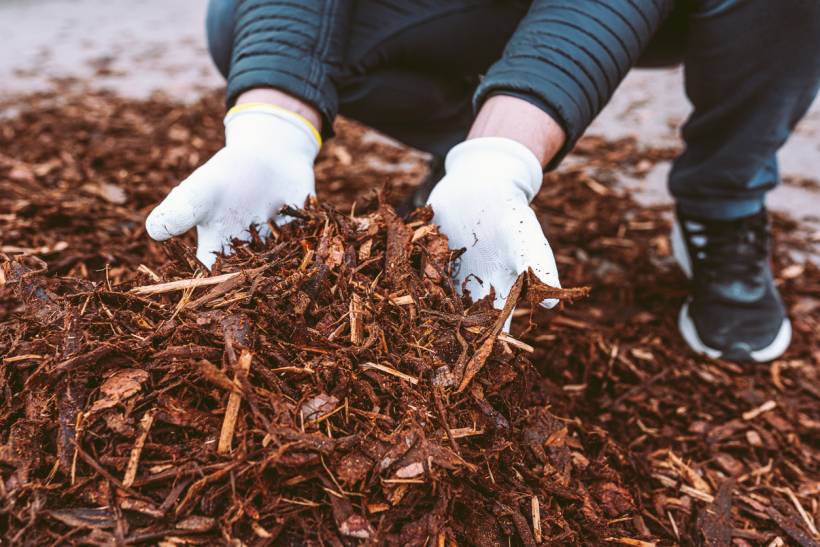
This guide compares them in practical terms so they can pick what fits their beds, trees, and maintenance style. What is the real difference between wood chips and mulch? In the debate over wood chips vs mulch, wood chips are usually larger, chunkier pieces of wood and bark, often closer to “tree service chips.” They break down more slowly and act like a long-term protective layer. “Mulch” is a broad term, but in garden centers it usually means finer shredded bark, bark nuggets, or dyed wood mulch. It tends to look more uniform and can break down faster, depending on the product. Which one suppresses weeds better? Both work well when applied thickly, but wood chips often win in real-world beds because their irregular pieces knit together into a dense layer. That said, neither is magic if the layer is too thin. For best weed suppression, they should aim for 2–4 inches and avoid mixing the material into soil, which can expose weed seeds and reduce the barrier effect. Which one is better for soil health over time? Wood chips generally support longer-term soil improvement because they break down slowly and feed fungi and beneficial soil life near the surface. Over seasons, that slow decomposition can improve structure and water infiltration. Finer mulches can also build soil, but they often decompose faster, so they may need more frequent top-ups to keep the same protective and soil-building benefits. Which one helps retain moisture and regulate temperature more? Both reduce evaporation and buffer soil temperatures, which is especially helpful in summer heat. Wood chips often provide slightly better insulation because the layer stays airy and thick for longer. In very windy or sloped areas, heavier wood chips may also stay in place better than lighter shredded products. Which one looks better in a finished landscape? Mulch often looks more “designed” right away because it is uniform in size and color, and dyed mulches create a consistent aesthetic. That’s why it is common in front-yard beds and formal borders. Wood chips can look more natural and rustic. Some gardeners like that woodland style, but others find fresh chips messier until they weather and settle. Which is safer around trees and shrubs? Wood chips are typically excellent around trees and shrubs when applied correctly. They should keep the material a few inches away from trunks and stems to prevent moisture buildup and rot. The same rule applies to any mulch: no “mulch volcanoes.” A flat, even ring that protects the root zone is safer than piling material against bark. Can wood chips or mulch cause nitrogen problems? This is a common worry, but it is usually misunderstood. Nitrogen tie-up mainly happens when high-carbon material is mixed into soil where microbes compete with roots for nitrogen. If they keep wood chips or mulch on the surface, nitrogen issues are unlikely. If they are planting into a bed with lots of partially decomposed material mixed in, adding compost or a balanced fertilizer can help. Which one is better for vegetable gardens? For many vegetable gardens, finer mulch or compost-based mulches can be easier to manage because beds are replanted often. Straw, leaf mulch, or a thin layer of fine mulch between rows can work well. Wood chips can still be useful, especially in pathways between raised beds, around perennials like asparagus, or in areas they do not disturb each season. If they are direct-seeding small crops, a very chunky surface can make sowing harder. What is the best choice for paths and high-traffic areas? Wood chips are often the better option for paths because they last longer, stay springy underfoot, and handle compaction well. They also reduce mud and splash, which keeps nearby plants cleaner. Mulch can work for paths, but finer products may break down quickly and need more frequent refreshes, especially where people walk often. How should they choose based on budget and availability? If they can get fresh chips from a local arborist, wood chips are often the most cost-effective option for covering large areas. The tradeoff is variability: loads can include mixed species, leaf bits, and different chip sizes. Bagged mulch is convenient and consistent, but it is usually more expensive per square foot. It can be a better fit when they need a specific look or only need a small volume. What is the simplest recommendation for most gardens? If they want a long-lasting, soil-friendly, low-cost layer for trees, shrubs, and paths, wood chips are usually the better pick. If they want a uniform, decorative finish for front beds or tight planting areas, a finer mulch is often easier. In many yards, the best answer is using both: wood chips where durability matters, and mulch where appearance and precision matter. FAQs (Frequently Asked Questions) What is the main difference between wood chips and mulch in gardening? Wood chips are larger, chunkier pieces of wood and bark that break down slowly, providing a long-term protective layer. Mulch usually refers to finer shredded bark or dyed wood products that look more uniform and tend to decompose faster depending on the type. Which is more effective at suppressing weeds: wood chips or mulch? Both wood chips and mulch suppress weeds well when applied thickly (2–4 inches). Wood chips often perform better in real-world beds because their irregular pieces form a dense barrier. However, neither works well if the layer is too thin or mixed into soil. How do wood chips and mulch impact soil health over time? Wood chips support longer-term soil improvement by breaking down slowly and feeding beneficial fungi and soil life, enhancing soil structure and water infiltration over seasons. Finer mulches decompose faster and may need more frequent replenishing to maintain these benefits. Which material better retains soil moisture and regulates temperature? Both wood chips and mulch reduce evaporation and buffer soil temperatures effectively. Wood chips often provide slightly better insulation due to their thick, airy layer lasting longer, and they tend to stay in place better in windy or
Garden Waste Removal
garden waste removal Sydney

Garden Waste Removal Sydney: Council vs Private Services Compared

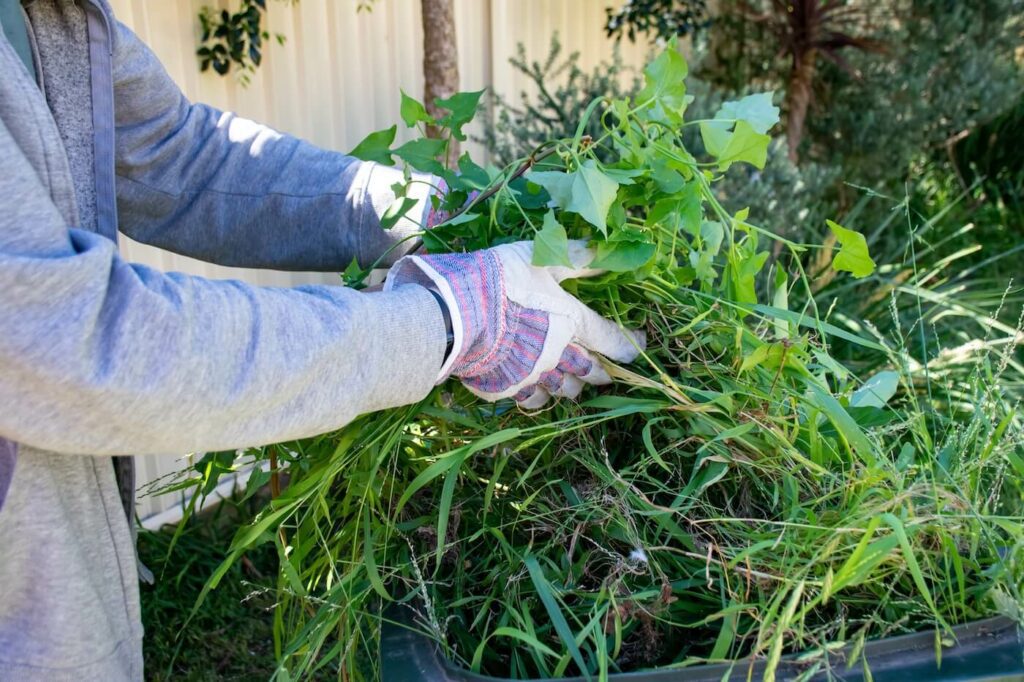
What counts as garden waste in Sydney? Garden waste usually includes grass clippings, leaves, branches, prunings, weeds, and small offcuts from routine yard work. Councils often expect it to be “green” and free of contaminants. Treated timber, painted wood, soil, rocks, food waste, plastics, and general rubbish typically do not qualify for garden waste removal sydney services. If they mix in the wrong materials, a pickup can be rejected or charged differently. How does council garden waste removal usually work? Most Sydney councils provide an organics (green) bin collection, and many also run booked clean-ups or scheduled bulky garden waste collections. The key benefit is that it’s structured and low-cost compared to private removal. The trade-off is rules. They may need to bundle branches to a set length, separate materials, book in advance, and place items out at specific times. Availability also varies by suburb and council area. What are the main limits of council services? Council options can be slow when they need urgent removal after storms, end-of-lease gardening, or pre-sale cleanups. Missed pickup windows can mean waiting another cycle. They may also face strict volume caps. A green bin only holds so much, and booked cleanups may limit how many cubic metres they can put out. If the pile is larger, they may need multiple bookings or another solution. How do private garden waste removal services work? Private services typically quote for labour and volume, then remove garden waste on a booked day, often same week or even same day. They usually load it themselves, which is helpful if they cannot lift heavy branches or do not have a trailer. Many also offer add-ons such as light pruning, dismantling piles, raking, or taking mixed loads. That flexibility is the main reason people choose private removal when council rules feel too rigid. When does a private service make more sense than council? Private removal is often better when they have a large pile, limited time, or limited ability to move the waste to the kerb. It is also useful when the waste is mixed, such as green waste plus a small amount of general junk, because one booking can clear everything. They also tend to suit strata properties, rental exits, landscaping jobs, and storm damage cleanups where speed matters more than the lowest possible cost. Which option is usually cheaper in Sydney? Council services are usually cheaper because they are funded through rates and run at scale. If the job fits within the green bin and any included clean-up allowances, council is usually the lowest-cost path. Private services cost more, but they can be cost-effective when they would otherwise need multiple council cycles, trailer hire, tip fees, and several hours of labour. The “cheaper” option depends on how much waste they have and how quickly they need it gone. What should they compare in quotes and council rules? They should compare volume limits, accepted materials, lead times, and what labour is included. With council, they should check bundling rules, maximum branch size, and booking requirements. With private quotes, they should confirm whether the price includes loading, disposal fees, and access challenges like stairs, narrow driveways, or long carry distances. They should also ask how volume is measured, since “cubic metres” can be estimated differently. How fast are council pickups compared to private removal? Council green bins run on set schedules, so timing depends on their collection day. Booked cleanups can involve waiting days or weeks, especially during peak periods. Private services can be much faster because they schedule directly with the customer. If they need a clean yard before an inspection or event, private removal is usually the quicker option. How sustainable are council and private disposal methods? Councils often send organics to composting or processing facilities, which can be a reliable pathway when the waste is clean and correctly sorted. That can be a strong sustainability advantage. Private operators vary. Good providers will take garden waste to licensed green waste processors and separate loads properly. They should ask where the waste goes and whether the company uses authorised facilities, especially if they care about composting outcomes. What are common mistakes that lead to rejected pickups or extra fees? Mixing garden waste with plastic bags, soil, rubble, or treated timber is a common reason for rejection. Overfilled bins, unbundled branches, or items left out too early can also cause problems with council services. With private removal, the biggest issue is unclear descriptions. If they understate the volume or do not mention access limits, the final price may change. Clear photos and measurements usually prevent surprises. What is a practical way to choose between council and private removal? They can use a simple rule: if it fits in the green bin and timing is flexible, council is usually best. If the pile is big, urgent, heavy, or messy, private removal is often worth it. They should also consider effort. Even if council is cheaper, it may require cutting branches down, bundling, and multiple trips to manage overflow. Private services are often chosen because they reduce labour, not just because they remove waste. What is the bottom line for garden waste removal in Sydney? Council services suit routine gardening and smaller volumes where they can follow the rules and wait for the schedule. Private services suit larger or time-sensitive cleanups where they want someone else to load and remove the waste quickly. If they want the easiest decision, they can check their council’s green waste rules first, then get one private quote for the same pile. The comparison becomes obvious once they see the time, effort, and total cost side by side. FAQs (Frequently Asked Questions) What qualifies as garden waste in Sydney and what materials are excluded? In Sydney, garden waste typically includes grass clippings, leaves, branches, prunings, weeds, and small offcuts from routine yard work. Materials like treated timber, painted wood, soil, rocks, food waste, plastics, and general rubbish are usually excluded. Mixing prohibited items can lead to

Scroll to Top