
Stump Grinding

stump grinding cost
Stump Grinding

Why Stump Grinding Cost Changes With Size, Access and Roots

Stump grinding prices can vary wildly depending on several factors. When discussing how these costs are determined, it is important to consider things such as the size of the stump, how accessible it is, and the nature of its roots. These elements all drive up or lower the amount you’re likely to pay, making it essential to understand the process when planning your removal. Many property owners are surprised to find that even a small difference in stump dimensions or a minor challenge in access can impact the cost. Understanding these elements not only helps you budget better but also ensures that you are well prepared to ask the right questions when hiring a professional service. Stump Size and Its Impact on Cost Understanding the Basics of Stump Measurements At its most basic level, stump size is often measured by its diameter. Prices are calculated on a per-inch basis, typically ranging from $2 to $5 per inch. This means that larger stumps, with a wider diameter, will naturally cost more to grind. The logic is simple: more wood requires more time and more intensive machinery. This calculation method is beneficial because it offers a predictable baseline of cost. Whether you have an oak or a maple, knowing that the pricing is linked to the actual size of the stump gives clarity. It is also a practical approach when budgeting for potential stump grinding work, as it directly correlates with the amount of work required. When assessing cost estimates, it is useful to put a measuring tape to the stump. Get a precise idea of its dimensions to avoid any surprises when the technician arrives. While measurements might seem a trivial detail, they prove to be a critical element of the overall pricing structure. Economies of Scale: Bigger Stumps Mean More Time Large stumps not only have a larger diameter but often come with extensive root systems, which means more effort is required. The increased grinding time for a sizeable stump can lead to extra charges, especially if the work involves prolonged machine operation or manual labour. The cost is not only linked to the raw size of the stump but also to the time it takes to grind it completely. If a machine has to run for a longer period, there is an inherent increase in labour and fuel costs. This cumulative cost then reflects in the final quote provided by stump grinding professionals. In many cases, these additional time-based expenses mean that the price increases exponentially for particularly large or old stumps. Homeowners should consider this when comparing quotes from different service providers. Impact of Tree Type on Stump Size Costs Different trees have distinct wood densities. Hardwood stumps, such as oak or maple, tend to be denser and therefore require more intensive grinding equipment and labour. This density can sometimes add up to 20% more to the overall expense. The difference in cost between hardwood stumps and softer varieties, like pine, is significant enough that it must be taken into account from the initial quote stage. Professionals often adjust their pricing depending on the resistance the machine will face during the grinding process. It might be wise to ask the service provider whether there is a variation in pricing based on tree type. This level of detail can be quite beneficial when preparing for a project and helps in making an informed decision. Access and Terrain: Navigating the Challenges Understanding the Role of Location and Accessibility One of the biggest factors influencing stump grinding cost is the location of the stump within your property. If the stump is situated in a hard-to-reach area or on uneven terrain, the crew may have to take extra precautions when bringing in heavy equipment. This might include moving other obstacles, which inevitably adds to the overall cost. Access difficulties can result in additional charges. For example, there could be a flat fee upcharge of up to $200 for working in a challenging location. This fee compensates for the extra effort and time required to ensure that the surrounding areas remain intact during the operation. Clearer paths not only protect your property from unintentional damage but also speed up the process. When planning any stump removal, consider creating a clear access route or discussing potential obstructions with the service provider beforehand. This proactive approach can help reduce the likelihood of unexpected charges. Challenges of Uneven Terrain and Their Cost Implications Working on uneven or sloping ground frequently presents difficulties when it comes to stump removal. Uneven terrain can affect the stability of the stump grinding machine. Technicians must often take extra measures to stabilise equipment and ensure safety, which naturally increases labour time and cost. In tough terrains, it’s not uncommon for service providers to charge an extra $50 per hour. These circumstances require more than just technical skills; they involve a careful assessment of the environment to prevent additional damage. Thus, stump grinding on uneven ground is not as straightforward as on flat, accessible surfaces. This is why it’s advisable to discuss the specifics of your site with the professionals before they commence work. Not only does this allow them to plan appropriately, but it also helps you understand the cost implications fully. Being upfront about the terrain can foster a more accurate estimate and ensure transparency in pricing. Additional Upcharges: When Permits and Regulations Come Into Play Another aspect that can drive up the stump grinding cost is the need for permits. Depending on your local council regulations, you may need to obtain a permit before any stump grinding work can commence. Permit costs typically range between $100 and $500, depending on the region and complexity of the work. Permit fees are not only a legal requirement but also a way to ensure that the work complies with local environmental and safety standards. This is particularly important for properties with heritage-listed trees or those located in ecologically sensitive areas. If you suspect that your stump grinding project might require a
stump grinding services
Stump Grinding

What Equipment Is Used in Professional Stump Grinding Services

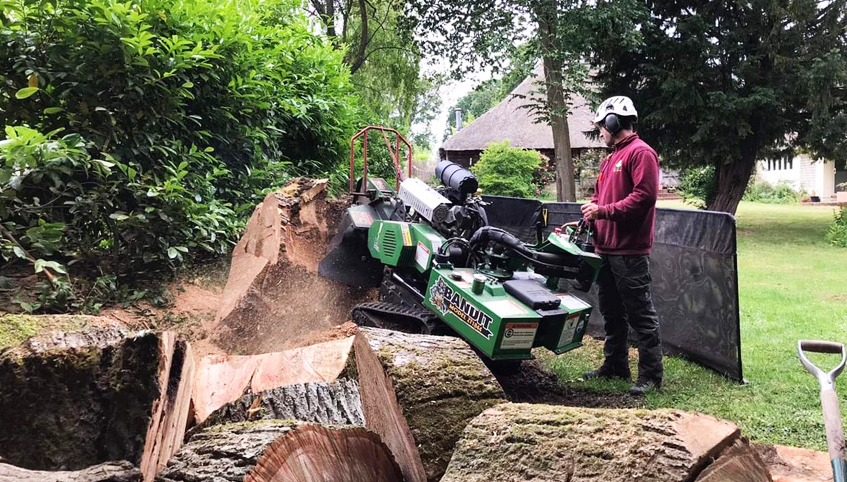
The equipment powering professional stump grinding goes far beyond a single machine. You’ll find an array of specialised tools designed to enhance performance, ensure safety, and boost efficiency. In our discussion below, we explore the key equipment, from high-powered self‐propelled stump grinders to the latest in electric technology, built for both residential and commercial applications. Engineers and technicians across the Australian landscape have adapted international trends-such as the growth in electric models and advanced safety features-to local requirements. It’s no surprise that when it comes to stump grinding, modern professionals equip themselves with industry-leading gear that meets the dual criteria of precision and durability. Main Stump Grinding Machines At the heart of most stump grinding services is the machine itself. Self‐propelled stump grinders dominate the industry for good reason. Their balance of power, manoeuvrability, and efficiency is second to none. Self‐propelled models are ideal for both residential areas and commercial landscaping. These machines can easily adapt to varying terrains and are specifically engineered to handle stumps of different sizes. Their robust engines combined with easy-to-handle designs make them a favourite among professionals. Market experts have noted that the focus on enhanced performance is not just about speed; it’s about precision cutting, excellent durability, and overall safety. Innovations in cutting technology mean that these machines often come fitted with multiple cutting teeth to guarantee a smooth operation. Self-Propelled Stump Grinders Self‐propelled stump grinders have carved out a prominent position in the global market. With features designed to maximise efficiency, they ensure that residential and commercial tasks meet strict performance standards while reducing operational fatigue. These grinders are engineered for versatile use. Their automated systems assist in manoeuvring heavy loads, providing consistent cutting power even on steep or uneven ground. This adaptability makes them indispensable particularly for busy arboricultural businesses. With research predicting the global market to reach significant milestones in the upcoming years, investment in these machines is a sign of both current utility and future potential. Their high efficiency translates into a valuable asset on any professional’s tool list. Tractor-Mounted and Mechanically Driven Grinders Another noteworthy category includes the tractor-mounted stump grinders. Built on robust platforms such as tractors rated between 150 and 400 hp, these machines can handle the largest forestry tasks. Recent developments in this segment have led to the introduction of new models like the massive Piranha 10 – recognised for being the largest mechanically driven stump grinder in its product line. It serves as a testament to the continued evolution of machinery that can handle massive tasks without compromising on efficiency. Tractor-mounted grinders are particularly effective in large-scale operations where power and constant performance are required. Their compatibility with existing tractor fleets makes them a logical upgrade for companies expanding into bigger projects. Cutting Technology and Accessories No stump grinding equipment is complete without the right cutting configuration. Professionals tend to favour machines equipped with a balanced approach between performance and affordability, often using models with 16 to 24 cutting teeth. The number of cutting teeth on a stump grinder influences the machine’s efficacy and the quality of the stump removal. These cutting assemblies are designed to provide consistent, precise cuts across different tree species and stump sizes, making them an ideal choice for residential and light commercial applications. The incorporation of advanced cutting systems not only improves efficiency but also enhances safety by ensuring a steady, controlled removal process. Optimal Tooth Count for Residential Use Studies show that a configuration of 16 to 24 cutting teeth offers an excellent balance between robust performance and affordability, particularly suited for smaller projects. Homeowners and small businesses often opt for these models because they deliver effective cutting power without needing the scale of larger operations. This setup is particularly valuable where noise and vibration are considerations. The carefully engineered balance in design minimises excessive wear on components, leading to fewer breakdowns and smoother operation throughout the task. For DIY enthusiasts and local landscaping services, choosing the right machine with an optimal tooth count is key to ensuring a single pass can eliminate stumps efficiently while preserving the surrounding land. Advanced Cutting Systems in Commercial Machines Commercial-grade stump grinders tend to come with more versatile cutting configurations, often featuring a higher number of teeth and variable-speed settings. These features allow operators to adjust the equipment according to the specific demands of a job. By providing variable speed and additional control, these advanced cutting systems help accommodate stumps embedded in challenging terrain. The control systems also ensure that the teeth engage the stump in a manner that reduces stress on the machinery. The engineering behind these systems reflects the evolving demand for efficiency. With the global market expected to reach USD 812.5 million by 2035, every innovation helps reduce operational costs and enhances the service quality. Electric Stump Grinders: A Growing Trend Noise reduction and emission-free operation have been the watchwords as electric stump grinders steadily gain traction in urban landscapes. This trend is largely fuelled by an increasing focus on sustainability and cleaner operations. Electric models have enjoyed a surge in demand – a rate of 35% growth recently noted in urban applications. The shift to electric power offers an environmentally friendly alternative to the traditional fossil-fuel-powered machines, all while delivering competitive performance. The quieter operation of electric stump grinders is especially valuable in residential areas where noise restrictions and community concerns are paramount. Their design incorporates advanced battery technology which both cuts down on operating emissions and simplifies maintenance schedules. Benefits of Electric Technology Electric stump grinders provide numerous benefits, not only from an environmental standpoint but also in terms of operational efficiency. Their almost silent operation makes them perfect for areas where noise can be a significant disturbance. The reduction in emissions is another key selling point. In urban environments, where local councils and communities prioritise sustainability, electric machines help meet strict environmental regulations without sacrificing performance. The shift to electric solutions also complements the ongoing drive towards more autonomous and smart farming equipment. These grinders

Scroll to Top