
Wood Chips vs Mulch: Which Is Better for Your Garden?
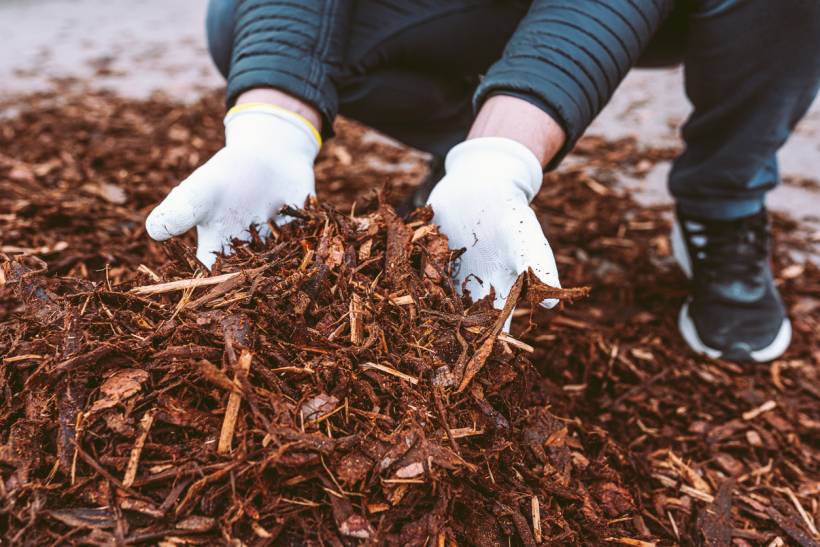
This guide compares them in practical terms so they can pick what fits their beds, trees, and maintenance style. What is the real difference between wood chips and mulch? In the debate over wood chips vs mulch, wood chips are usually larger, chunkier pieces of wood and bark, often closer to “tree service chips.” They break down more slowly and act like a long-term protective layer. “Mulch” is a broad term, but in garden centers it usually means finer shredded bark, bark nuggets, or dyed wood mulch. It tends to look more uniform and can break down faster, depending on the product. Which one suppresses weeds better? Both work well when applied thickly, but wood chips often win in real-world beds because their irregular pieces knit together into a dense layer. That said, neither is magic if the layer is too thin. For best weed suppression, they should aim for 2–4 inches and avoid mixing the material into soil, which can expose weed seeds and reduce the barrier effect. Which one is better for soil health over time? Wood chips generally support longer-term soil improvement because they break down slowly and feed fungi and beneficial soil life near the surface. Over seasons, that slow decomposition can improve structure and water infiltration. Finer mulches can also build soil, but they often decompose faster, so they may need more frequent top-ups to keep the same protective and soil-building benefits. Which one helps retain moisture and regulate temperature more? Both reduce evaporation and buffer soil temperatures, which is especially helpful in summer heat. Wood chips often provide slightly better insulation because the layer stays airy and thick for longer. In very windy or sloped areas, heavier wood chips may also stay in place better than lighter shredded products. Which one looks better in a finished landscape? Mulch often looks more “designed” right away because it is uniform in size and color, and dyed mulches create a consistent aesthetic. That’s why it is common in front-yard beds and formal borders. Wood chips can look more natural and rustic. Some gardeners like that woodland style, but others find fresh chips messier until they weather and settle. Which is safer around trees and shrubs? Wood chips are typically excellent around trees and shrubs when applied correctly. They should keep the material a few inches away from trunks and stems to prevent moisture buildup and rot. The same rule applies to any mulch: no “mulch volcanoes.” A flat, even ring that protects the root zone is safer than piling material against bark. Can wood chips or mulch cause nitrogen problems? This is a common worry, but it is usually misunderstood. Nitrogen tie-up mainly happens when high-carbon material is mixed into soil where microbes compete with roots for nitrogen. If they keep wood chips or mulch on the surface, nitrogen issues are unlikely. If they are planting into a bed with lots of partially decomposed material mixed in, adding compost or a balanced fertilizer can help. Which one is better for vegetable gardens? For many vegetable gardens, finer mulch or compost-based mulches can be easier to manage because beds are replanted often. Straw, leaf mulch, or a thin layer of fine mulch between rows can work well. Wood chips can still be useful, especially in pathways between raised beds, around perennials like asparagus, or in areas they do not disturb each season. If they are direct-seeding small crops, a very chunky surface can make sowing harder. What is the best choice for paths and high-traffic areas? Wood chips are often the better option for paths because they last longer, stay springy underfoot, and handle compaction well. They also reduce mud and splash, which keeps nearby plants cleaner. Mulch can work for paths, but finer products may break down quickly and need more frequent refreshes, especially where people walk often. How should they choose based on budget and availability? If they can get fresh chips from a local arborist, wood chips are often the most cost-effective option for covering large areas. The tradeoff is variability: loads can include mixed species, leaf bits, and different chip sizes. Bagged mulch is convenient and consistent, but it is usually more expensive per square foot. It can be a better fit when they need a specific look or only need a small volume. What is the simplest recommendation for most gardens? If they want a long-lasting, soil-friendly, low-cost layer for trees, shrubs, and paths, wood chips are usually the better pick. If they want a uniform, decorative finish for front beds or tight planting areas, a finer mulch is often easier. In many yards, the best answer is using both: wood chips where durability matters, and mulch where appearance and precision matter. FAQs (Frequently Asked Questions) What is the main difference between wood chips and mulch in gardening? Wood chips are larger, chunkier pieces of wood and bark that break down slowly, providing a long-term protective layer. Mulch usually refers to finer shredded bark or dyed wood products that look more uniform and tend to decompose faster depending on the type. Which is more effective at suppressing weeds: wood chips or mulch? Both wood chips and mulch suppress weeds well when applied thickly (2–4 inches). Wood chips often perform better in real-world beds because their irregular pieces form a dense barrier. However, neither works well if the layer is too thin or mixed into soil. How do wood chips and mulch impact soil health over time? Wood chips support longer-term soil improvement by breaking down slowly and feeding beneficial fungi and soil life, enhancing soil structure and water infiltration over seasons. Finer mulches decompose faster and may need more frequent replenishing to maintain these benefits. Which material better retains soil moisture and regulates temperature? Both wood chips and mulch reduce evaporation and buffer soil temperatures effectively. Wood chips often provide slightly better insulation due to their thick, airy layer lasting longer, and they tend to stay in place better in windy or