
The equipment powering professional stump grinding goes far beyond a single machine. You’ll find an array of specialised tools designed to enhance performance, ensure safety, and boost efficiency. In our discussion below, we explore the key equipment, from high-powered self‐propelled stump grinders to the latest in electric technology, built for both residential and commercial applications.
Engineers and technicians across the Australian landscape have adapted international trends-such as the growth in electric models and advanced safety features-to local requirements. It’s no surprise that when it comes to stump grinding, modern professionals equip themselves with industry-leading gear that meets the dual criteria of precision and durability.
Main Stump Grinding Machines
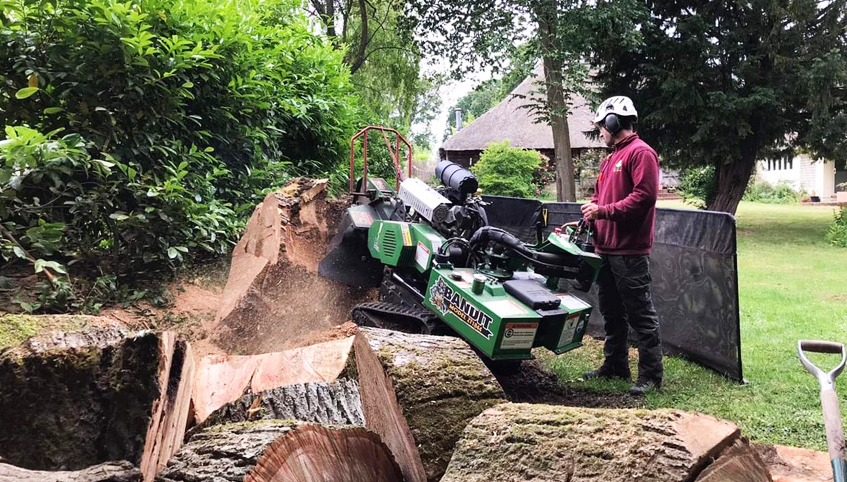
At the heart of most stump grinding services is the machine itself. Self‐propelled stump grinders dominate the industry for good reason. Their balance of power, manoeuvrability, and efficiency is second to none.
Self‐propelled models are ideal for both residential areas and commercial landscaping. These machines can easily adapt to varying terrains and are specifically engineered to handle stumps of different sizes. Their robust engines combined with easy-to-handle designs make them a favourite among professionals.
Market experts have noted that the focus on enhanced performance is not just about speed; it’s about precision cutting, excellent durability, and overall safety. Innovations in cutting technology mean that these machines often come fitted with multiple cutting teeth to guarantee a smooth operation.
Self-Propelled Stump Grinders
Self‐propelled stump grinders have carved out a prominent position in the global market. With features designed to maximise efficiency, they ensure that residential and commercial tasks meet strict performance standards while reducing operational fatigue.
These grinders are engineered for versatile use. Their automated systems assist in manoeuvring heavy loads, providing consistent cutting power even on steep or uneven ground. This adaptability makes them indispensable particularly for busy arboricultural businesses.
With research predicting the global market to reach significant milestones in the upcoming years, investment in these machines is a sign of both current utility and future potential. Their high efficiency translates into a valuable asset on any professional’s tool list.
Tractor-Mounted and Mechanically Driven Grinders
Another noteworthy category includes the tractor-mounted stump grinders. Built on robust platforms such as tractors rated between 150 and 400 hp, these machines can handle the largest forestry tasks.
Recent developments in this segment have led to the introduction of new models like the massive Piranha 10 – recognised for being the largest mechanically driven stump grinder in its product line. It serves as a testament to the continued evolution of machinery that can handle massive tasks without compromising on efficiency.
Tractor-mounted grinders are particularly effective in large-scale operations where power and constant performance are required. Their compatibility with existing tractor fleets makes them a logical upgrade for companies expanding into bigger projects.
Cutting Technology and Accessories
No stump grinding equipment is complete without the right cutting configuration. Professionals tend to favour machines equipped with a balanced approach between performance and affordability, often using models with 16 to 24 cutting teeth.
The number of cutting teeth on a stump grinder influences the machine’s efficacy and the quality of the stump removal. These cutting assemblies are designed to provide consistent, precise cuts across different tree species and stump sizes, making them an ideal choice for residential and light commercial applications.
The incorporation of advanced cutting systems not only improves efficiency but also enhances safety by ensuring a steady, controlled removal process.
Optimal Tooth Count for Residential Use
Studies show that a configuration of 16 to 24 cutting teeth offers an excellent balance between robust performance and affordability, particularly suited for smaller projects. Homeowners and small businesses often opt for these models because they deliver effective cutting power without needing the scale of larger operations.
This setup is particularly valuable where noise and vibration are considerations. The carefully engineered balance in design minimises excessive wear on components, leading to fewer breakdowns and smoother operation throughout the task.
For DIY enthusiasts and local landscaping services, choosing the right machine with an optimal tooth count is key to ensuring a single pass can eliminate stumps efficiently while preserving the surrounding land.
Advanced Cutting Systems in Commercial Machines
Commercial-grade stump grinders tend to come with more versatile cutting configurations, often featuring a higher number of teeth and variable-speed settings. These features allow operators to adjust the equipment according to the specific demands of a job.
By providing variable speed and additional control, these advanced cutting systems help accommodate stumps embedded in challenging terrain. The control systems also ensure that the teeth engage the stump in a manner that reduces stress on the machinery.
The engineering behind these systems reflects the evolving demand for efficiency. With the global market expected to reach USD 812.5 million by 2035, every innovation helps reduce operational costs and enhances the service quality.
Electric Stump Grinders: A Growing Trend
Noise reduction and emission-free operation have been the watchwords as electric stump grinders steadily gain traction in urban landscapes. This trend is largely fuelled by an increasing focus on sustainability and cleaner operations.
Electric models have enjoyed a surge in demand – a rate of 35% growth recently noted in urban applications. The shift to electric power offers an environmentally friendly alternative to the traditional fossil-fuel-powered machines, all while delivering competitive performance.
The quieter operation of electric stump grinders is especially valuable in residential areas where noise restrictions and community concerns are paramount. Their design incorporates advanced battery technology which both cuts down on operating emissions and simplifies maintenance schedules.
Benefits of Electric Technology
Electric stump grinders provide numerous benefits, not only from an environmental standpoint but also in terms of operational efficiency. Their almost silent operation makes them perfect for areas where noise can be a significant disturbance.
The reduction in emissions is another key selling point. In urban environments, where local councils and communities prioritise sustainability, electric machines help meet strict environmental regulations without sacrificing performance.
The shift to electric solutions also complements the ongoing drive towards more autonomous and smart farming equipment. These grinders often integrate with digital control systems, providing enhanced real-time diagnostics and performance monitoring.
Integrating Electric Stump Grinders in Professional Fleets
For many Australian landscaping companies, integrating cutting-edge electric stump grinders has become a cost-effective and forward-thinking move. The initial costs can be offset by reduced long-term maintenance and operational savings.
Electric equipment can often be run for extended periods with minimal oversight once automated systems are in place. This level of operational reliability means fewer disruptions during peak working hours, another major advantage for professional fleets.
The growing body of evidence supporting the shift towards electric models has led to increased confidence among service providers. As the technology matures, these machines are likely to become a mainstay in urban projects across the country.
Safety Features and Operator Training
While the machinery is remarkable in its capacity, safety remains paramount in all professional stump grinding services. An estimated 29% of small business owners flag safety concerns when it comes to equipment handling, and rightly so. The correct and careful use of these machines is essential to avoid accidents.
Modern stump grinders often come equipped with enhanced safety features, such as protective enclosures around the cutting components, emergency shut-off mechanisms, and ergonomic controls designed to minimise operator fatigue.
Manufacturers continuously update safety standards, incorporating feedback from professionals working on the ground. This evolving landscape ensures that safety remains at the forefront of design and operational protocols.
Comprehensive Operator Training
A notable challenge in the sector is the delayed adoption of new stump grinding technologies. Studies indicate that approximately 33% of small business owners delay integration due to training requirements. Ensuring that operators are well-trained is not merely a legalist approach-it’s about safeguarding lives and maximising equipment performance.
Training often covers the correct handling of the machine, emergency response protocols, and maintenance routines that keep equipment in prime condition. This comprehensive training ensures that operators can utilise machines to their full potential with minimal risk.
The training curriculum might also include familiarisation with digital interfaces on modern models, safety drills, and routine operational checks. With the increasing sophistication of the equipment, ongoing education becomes a critical component of professional development.
Safety Gear and On-Site Protocols
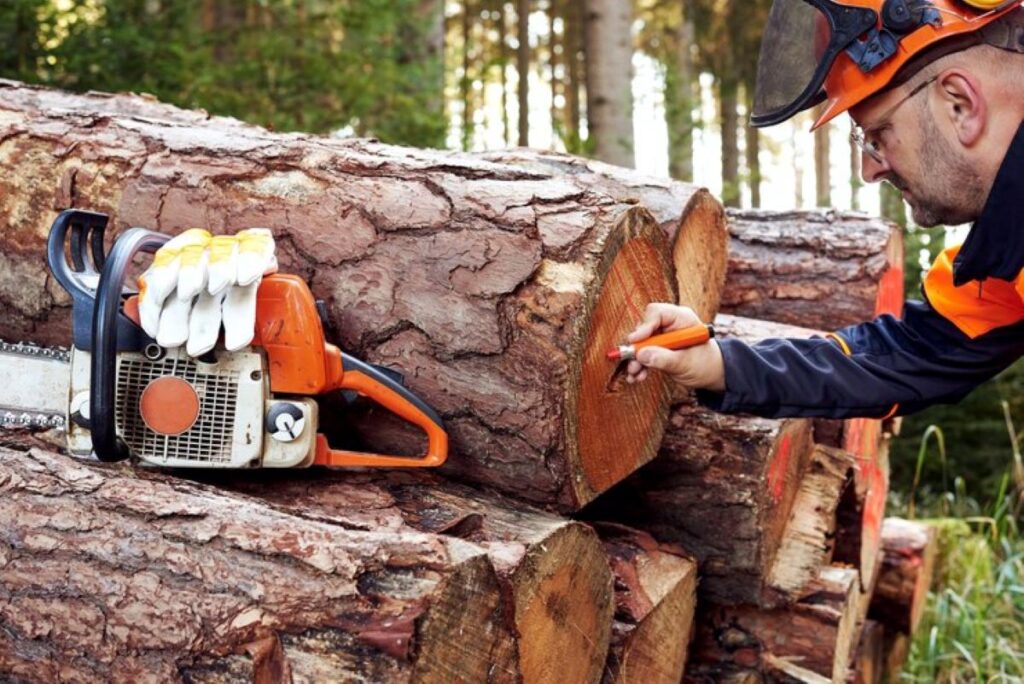
On top of operational training, proper safety gear is non-negotiable. Operators are expected to wear helmets, goggles, ear protection, and sturdy boots to guard against unexpected debris or mechanical mishaps.
Some service companies also incorporate technologies such as sensor-based alerts and ambient warning systems. These additions further enhance the safety profile, ensuring that both operators and bystanders remain secure throughout the grinding process.
Establishing clear protocols before, during, and after operations also plays a vital role. From planning the work area to conducting final safety inspections, every step is meticulously designed to reduce risk, ensuring a seamless and secure operation.
Maintenance and Upkeep of Stump Grinding Equipment
Even the most impressive stump grinding machinery requires regular maintenance to operate at peak performance. Routine servicing, inspections, and timely repairs are essential to keep downtime minimal.
Maintenance schedules vary based on usage and the type of equipment in operation. However, regular checks on cutting teeth, engine performance, and safety features should form the core of any upkeep regimen.
The complexity of a machine often reflects in its maintenance requirements. A comprehensive maintenance strategy ensures longevity, efficiency, and ultimately, better return on investment.
Scheduled Servicing and Inspections
Scheduled servicing routines are akin to health check-ups for your equipment. They ensure that any wear and tear is identified early and rectified before it evolves into a serious problem. This regular attention is crucial, particularly in a high-usage environment.
Professional service technicians often conduct thorough inspections following manufacturer guidelines. This preventative maintenance can include lubricating moving parts, replacing worn-out cutting teeth, and checking the operational integrity of safety features.
Keeping detailed records of each service visit helps track the health of the equipment over time. This documentation not only supports warranty claims but also provides insights that can guide future equipment investments.
Emergency Repairs and On-Site Fixes
Despite careful maintenance, unexpected breakdowns can occur. Rapid response with emergency repairs minimizes job delays and maintains productivity. On-site emergency kits are common among service providers, stocked with essential spare parts and basic repair tools.
In dynamic operational environments, having trained technicians on standby can be the difference between a minor hiccup and a prolonged downtime. These professionals understand the intricacies of both the mechanical and safety systems in the machines.
Additionally, remote diagnostics have become a valuable asset. By utilising advanced sensors and digital reporting, companies can often predict a malfunction before it becomes critical, ensuring a proactive rather than reactive approach to maintenance.
Supporting Equipment and Accessories
Beyond the primary stump grinders and their cutting systems, professional stump grinding services often invest in a range of supporting equipment. These auxiliary tools help carry out the job more efficiently and supplement the main machinery.
Supporting accessories include stabilisers, transport trailers, and dedicated safety barriers. These items are carefully designed to support the operation, ensuring that the heavy machinery can be moved safely between sites and set up with minimal fuss.
Other accessories, such as ground stabilisers or mats, help protect the work area from potential damage during prolonged operations. This careful planning makes each job smoother and more professional, enhancing client confidence in the service provider.
Transport and Mobility Equipment
Transporting heavy stump grinders and their accessories between sites is no small feat. Professional service providers often rely on customised trailers and robust vehicles designed to safely move the equipment. These transport solutions are built with durability and ease-of-use in mind.
Dedicated loading ramps, reinforced tie-down systems, and specialised storage compartments are common features on these transport units. They ensure that the sensitive components of the equipment are not subject to unnecessary vibrations or damage during transit.
In regions across Australia where distances can be vast and terrain unpredictable, this level of planning is indispensable. Ensuring that equipment arrives on-site in prime condition is critical for maintaining operational efficiency and preventing costly delays.
Complementary Tools and On-Site Accessories
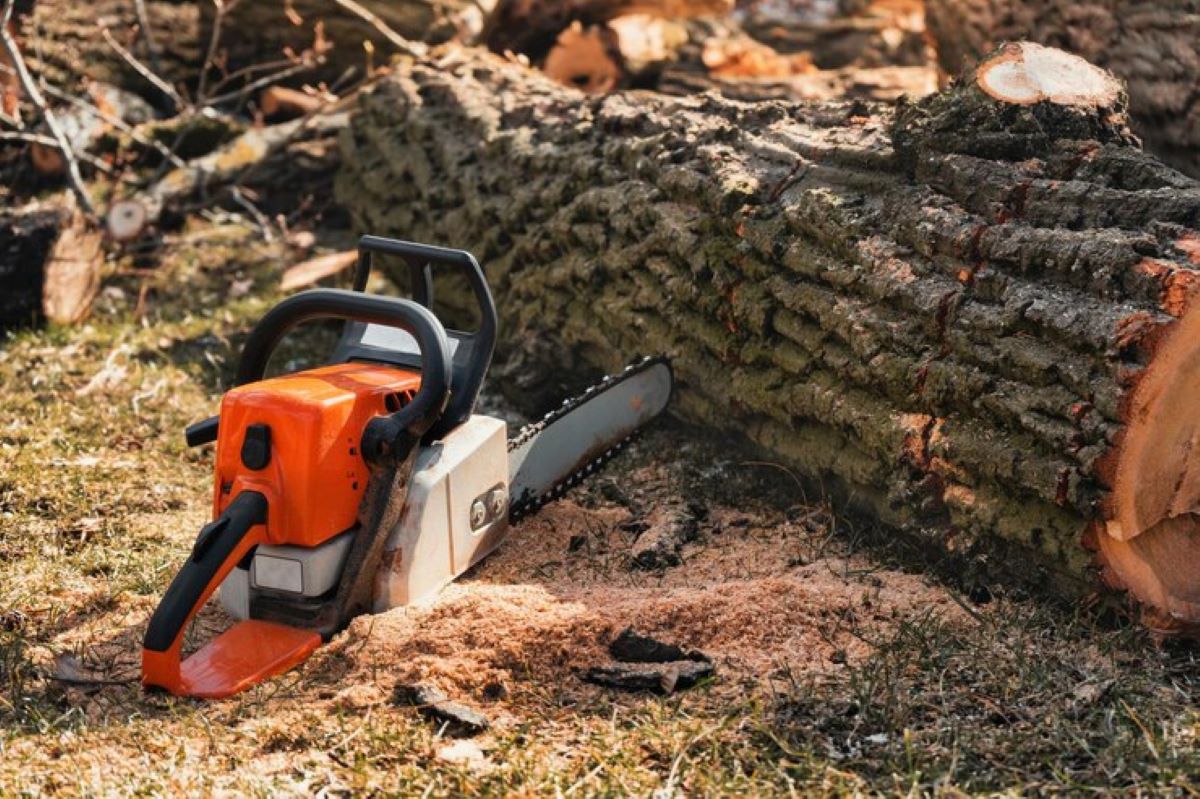
Complementary tools such as chainsaws, stump cutters, and debris removal equipment are often used to prepare a site before the heavy machinery begins work. These accessories can clear away obstacles and manage residual waste post-grinding.
On-site accessories such as ground stabilisers, secure safety nets, and portable lighting systems play an important role during low-light operations or in challenging weather conditions. They provide additional layers of safety and ensure operational continuity.
Many companies also invest in digital accessories like monitoring systems which track productivity and notify supervisors of any anomalies in machine performance. This close monitoring helps maintain a high level of service quality throughout the project lifecycle.
Market Trends and Future Outlook
Stump grinding is an evolving segment that continually incorporates the latest technology and market demands. With projections showing robust growth in both traditional and electric machinery segments, professionals are constantly looking to upgrade their fleets.
Recent figures indicate that the global stump grinder market is set to achieve impressive revenue milestones in the coming years. International product innovations and regional adaptations have combined to keep the industry on a steady growth trajectory.
The move toward more sustainable and efficient machines is evident. From electric models gaining traction in urban localities to tractor-mounted systems dominating sizeable forestry operations, the equipment landscape is one of constant evolution.
Projected Growth and Investment Opportunities
Investing in modern stump grinding equipment is not just about immediate gains, but also a forward-looking strategy. With studies estimating market values to rise significantly between now and 2035, professionals have strong incentives to modernise their toolsets.
In Europe, for example, German engineering firms have set a benchmark for exporting high-quality forestry equipment. The export figures from recent years highlight the global demand for robust, German-engineered stump grinders and accessories, which in turn influence local markets worldwide.
Buoyed by steady growth figures-from both traditional and electric segments-investment in cutting-edge technology also aligns with a broader industry commitment to improved safety, efficiency, and environmental standards.
Innovations on the Horizon
As the global market continues to mature, innovations in stump grinding equipment are set to make professional work even more efficient. Manufacturers are exploring opportunities to integrate artificial intelligence for predictive maintenance and to further streamline operational controls.
The introduction of machines like the Piranha 10 signals a future where heavyweight machinery can be even more adaptable to a range of conditions. Such innovations promise to enhance performance on both small-scale residential works and large-scale commercial projects.
Advances in battery technology and digital control systems are likely to further boost the appeal of electric stump grinders. These innovations offer a glimpse into a future of reduced emissions, lower operational costs, and quieter work environments-a win for professionals and communities alike. Check out more about Why Stump Grinding Cost Changes With Size, Access and Roots.
Local Insights: The Australian Perspective
Across Australia, professional stakes in the stump grinding market mirror global trends while also catering to the unique local environment. Vast properties, bushland, and urban developments all demand adaptable, high-performance equipment that can tackle diverse challenges.
Local operators often highlight the importance of sturdy, reliable machines which adapt well to Australia’s varied terrain-from coastal suburbs to rugged bushland. The challenge is to combine international innovation with local practicality, ensuring that equipment not only meets but exceeds operational expectations in a demanding environment.
Australian service providers are keenly aware that the right mix of traditional heavy machinery and the latest electric innovations can significantly enhance productivity and client satisfaction. The local market is embracing training, safety protocols, and maintenance regimens to ensure these machines are utilised to their full potential.
Adapting Global Trends Locally
Across the country, professional stump grinding services are integrating global trends into their daily operations. Self‐propelled and tractor-mounted equipment now comes equipped with enhanced safety features and more efficient cutting technologies originally designed for international markets.
Local companies actively participate in training programmes to ensure their teams understand and can expertly handle new systems. This proactive approach minimises the common initial hesitations regarding adopting new technologies, such as concerns around safety and operational complexities.
As electric stump grinders become more popular for noise-sensitive urban applications, local businesses are seeing the benefits firsthand. Their quieter operation and lower emissions are not only environmentally friendly but also help them secure more contracts in urban settings where compliance and community standards are tight.
Practical Training and Community Engagement
Another notable aspect in Australia is the emphasis on community and practical training. Many service providers host local workshops and training sessions to disseminate knowledge on the latest stump grinding techniques and safety measures.
This proactive engagement helps address the delay in adopting new technologies experienced by some operators. By sharing knowledge and best practices, professionals build a community where continuous improvement is deeply valued.