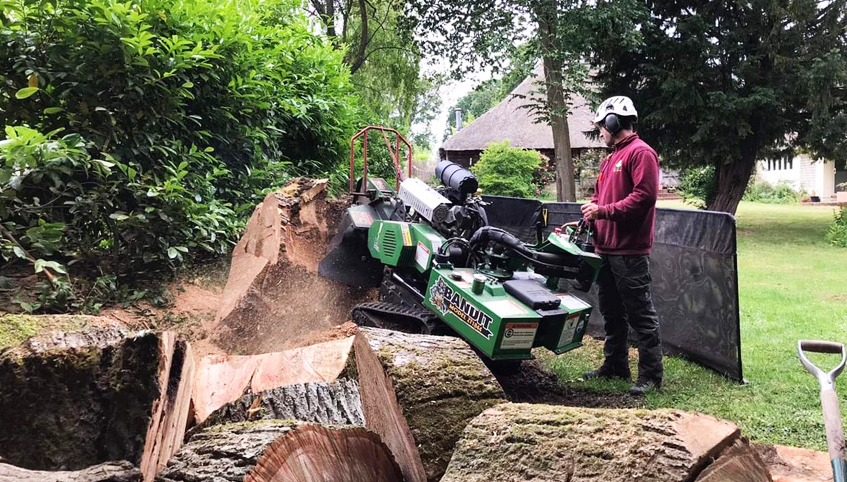

Stump grinding prices can vary wildly depending on several factors. When discussing how these costs are determined, it is important to consider things such as the size of the stump, how accessible it is, and the nature of its roots. These elements all drive up or lower the amount you’re likely to pay, making it essential to understand the process when planning your removal.
Many property owners are surprised to find that even a small difference in stump dimensions or a minor challenge in access can impact the cost. Understanding these elements not only helps you budget better but also ensures that you are well prepared to ask the right questions when hiring a professional service.
Stump Size and Its Impact on Cost
Understanding the Basics of Stump Measurements
At its most basic level, stump size is often measured by its diameter. Prices are calculated on a per-inch basis, typically ranging from $2 to $5 per inch. This means that larger stumps, with a wider diameter, will naturally cost more to grind. The logic is simple: more wood requires more time and more intensive machinery.
This calculation method is beneficial because it offers a predictable baseline of cost. Whether you have an oak or a maple, knowing that the pricing is linked to the actual size of the stump gives clarity. It is also a practical approach when budgeting for potential stump grinding work, as it directly correlates with the amount of work required.
When assessing cost estimates, it is useful to put a measuring tape to the stump. Get a precise idea of its dimensions to avoid any surprises when the technician arrives. While measurements might seem a trivial detail, they prove to be a critical element of the overall pricing structure.
Economies of Scale: Bigger Stumps Mean More Time
Large stumps not only have a larger diameter but often come with extensive root systems, which means more effort is required. The increased grinding time for a sizeable stump can lead to extra charges, especially if the work involves prolonged machine operation or manual labour.
The cost is not only linked to the raw size of the stump but also to the time it takes to grind it completely. If a machine has to run for a longer period, there is an inherent increase in labour and fuel costs. This cumulative cost then reflects in the final quote provided by stump grinding professionals.
In many cases, these additional time-based expenses mean that the price increases exponentially for particularly large or old stumps. Homeowners should consider this when comparing quotes from different service providers.
Impact of Tree Type on Stump Size Costs
Different trees have distinct wood densities. Hardwood stumps, such as oak or maple, tend to be denser and therefore require more intensive grinding equipment and labour. This density can sometimes add up to 20% more to the overall expense.
The difference in cost between hardwood stumps and softer varieties, like pine, is significant enough that it must be taken into account from the initial quote stage. Professionals often adjust their pricing depending on the resistance the machine will face during the grinding process.
It might be wise to ask the service provider whether there is a variation in pricing based on tree type. This level of detail can be quite beneficial when preparing for a project and helps in making an informed decision.
Access and Terrain: Navigating the Challenges
Understanding the Role of Location and Accessibility
One of the biggest factors influencing stump grinding cost is the location of the stump within your property. If the stump is situated in a hard-to-reach area or on uneven terrain, the crew may have to take extra precautions when bringing in heavy equipment. This might include moving other obstacles, which inevitably adds to the overall cost.
Access difficulties can result in additional charges. For example, there could be a flat fee upcharge of up to $200 for working in a challenging location. This fee compensates for the extra effort and time required to ensure that the surrounding areas remain intact during the operation.
Clearer paths not only protect your property from unintentional damage but also speed up the process. When planning any stump removal, consider creating a clear access route or discussing potential obstructions with the service provider beforehand. This proactive approach can help reduce the likelihood of unexpected charges.
Challenges of Uneven Terrain and Their Cost Implications
Working on uneven or sloping ground frequently presents difficulties when it comes to stump removal. Uneven terrain can affect the stability of the stump grinding machine. Technicians must often take extra measures to stabilise equipment and ensure safety, which naturally increases labour time and cost.
In tough terrains, it’s not uncommon for service providers to charge an extra $50 per hour. These circumstances require more than just technical skills; they involve a careful assessment of the environment to prevent additional damage. Thus, stump grinding on uneven ground is not as straightforward as on flat, accessible surfaces.
This is why it’s advisable to discuss the specifics of your site with the professionals before they commence work. Not only does this allow them to plan appropriately, but it also helps you understand the cost implications fully. Being upfront about the terrain can foster a more accurate estimate and ensure transparency in pricing.
Additional Upcharges: When Permits and Regulations Come Into Play
Another aspect that can drive up the stump grinding cost is the need for permits. Depending on your local council regulations, you may need to obtain a permit before any stump grinding work can commence. Permit costs typically range between $100 and $500, depending on the region and complexity of the work.
Permit fees are not only a legal requirement but also a way to ensure that the work complies with local environmental and safety standards. This is particularly important for properties with heritage-listed trees or those located in ecologically sensitive areas.
If you suspect that your stump grinding project might require a permit, it is best to verify the requirements with your local council well in advance. This proactive approach can prevent delays and unexpected expenses, ensuring a smoother operation on the day of the service.
Root System Complexity: Digging into the Details
Why Roots Matter When It Comes to Grinding
The root system of a tree can prove to be one of the toughest challenges in stump grinding. Older trees naturally develop extensive and intricate root networks, which not only help stabilise the tree when it was alive but also complicate the removal process.
When a stump is accompanied by a deep, widespread root system, the grinding process must be thorough to ensure that no remnants are left behind. Incomplete removal could lead to regrowth or even interfere with any future landscaping projects. Understandably, grinding these roots demands extra time and effort from technicians.
In many cases, professional services may charge between $100 and $200 per hour specifically for root removal. This reflects the extra time taken and the specialised equipment typically used to break down intertwined roots without causing damage to the surrounding landscape.
Handling Larger, Denser Root Systems
Old age often means more than just a larger trunk; it usually implies a more mature and complicated root network beneath the surface. As roots age, they become denser, sometimes even interwoven with irrigation systems, foundations, or other underground structures. Working carefully around these elements is critical.
This density means that not only must the roots be ground down, but extra precaution is taken to ensure that nails, pipes, or cables are not accidentally damaged. The additional care and precision required naturally incur higher charges, typically reflected in a higher hourly rate for extraction and removal work.
Service providers familiar with larger, older trees will often conduct a site survey first, evaluating the state of the stump and its roots. This assessment allows for a detailed quotation and ensures that you are aware of potential challenges, including any unforeseen obstacles that could increase the cost.
Managing Complex Cases with Special Equipment
Not all stumps and root systems are created equal, and sometimes, older or unusually complex stumps require commercial-grade equipment. Stump grinders capable of handling tough cases can be a significant investment, often ranging from $30,000 to $100,000. Although this cost is not directly passed on to you, it affects the pricing structure of services offered by professionals.
The advanced technology ensures efficient and safe removal even in the most challenging of conditions. These machines often incorporate features such as enhanced safety measures and more precise control, allowing skilled technicians to work without compromising on quality and efficiency.
The investment in commercial-grade machinery therefore becomes a factor when you receive a quote. A higher upfront equipment cost may translate into higher service fees, but it also provides confidence in the thoroughness of the job completed.
Labour, Expertise, and Debris Removal: The Human Element
Value of Skilled Labour in Stump Grinding
Labour costs form a significant part of the overall expense in stump grinding, often accounting for 50-70% of the total cost. This high percentage reflects not only the technical skills involved but also the years of experience professionals bring to the table. When you hire someone familiar with local conditions and intricate root systems, you are paying for more than just the physical grinding.
Skilled technicians offer the advantage of ensuring that the job is performed quickly and efficiently. Their expertise minimizes the risk of causing additional damage to nearby trees, structures, or underground utilities. In effect, investing in experienced labour can prevent costly mistakes in the long term.
Homeowners who opt for cheaper services might find themselves paying even more later due to the need for follow-up repairs or incomplete removal. In many instances, a slightly higher initial cost is offset by the peace of mind that comes with a job done professionally the first time around.
Importance of Debris and Wood Chip Removal
The process does not end once the stump has been ground to little more than wood chips. Proper disposal of the debris is essential not only for aesthetic reasons but also for safety. Once the grinding is complete, the leftover material needs to be transported away or repurposed, adding another layer of cost to the overall project.
Depending on the size of the stump and the quantity of debris, additional fees of $50 to $200 are common. The cost variation depends on how much material needs to be cleared and whether there is a need to relocate or repurpose the wood chips in your garden. You may like to visit https://www.ryde.nsw.gov.au/Environment-and-Waste/Waste-and-Recycling/Other-Services/Organics-and-Composting/Chipping-and-Mulching to get more about chipping and mulching.
Some property owners might even consider using the wood chips as a form of mulch, but this is a decision best made after discussing options with your service provider. Not only does proper debris management contribute to a cleaner work site, it also ensures that you are not left with a secondary project post-grinding.
Coordinating Services for a Complete Project
Efficient stump removal is often part of a broader landscaping or construction project. In these cases, stump grinding is only one piece of the puzzle. Professionals sometimes work in tandem with other contractors to ensure that the entire area is left in pristine condition, free of obstructions and hazards.
This coordinated approach can occasionally lead to bundled service discounts, though it is always wise to clarify the scope of work and ensure that each aspect of the project is accounted for in the estimate. By bundling tasks such as debris removal, stump grinding, and any subsequent landscaping work, you might even save on overall costs.
Planning your project with these additional services in mind ensures that you don’t face unexpected charges later and that the finished space meets your expectations. The integrated approach can be highly efficient, especially in densely built-up areas or gardens where careful site planning is essential.
Comparing Service Providers and Final Considerations
Assessing the Quote and Service Details
When obtaining quotes from different service providers, ensure that each estimate specifies what is included in the final cost. Is the cost based solely on stump size or does it also include the extra fees for hard-to-access areas or extensive root systems? Understanding this breakdown is crucial for making the best decision.
A detailed quote should include the basic grinding fee per inch of stump diameter, any hourly charges for accessing difficult terrain, and additional fees for debris removal. If permits are required or if the stump in question is a hardwood variety, these should be transparent in the overall pricing structure.
The key here is clarity in communication. Do not hesitate to ask questions about areas that appear vague. A reliable company will provide a comprehensive breakdown of costs, ensuring there are no hidden fees later on. By comparing these details across multiple providers, you can better judge which service offers the best value for money.
Experience and Client Reviews in Making the Choice
When selecting a stump grinding service, consider their reputation and client feedback. Experienced technicians can often navigate tricky jobs more smoothly and efficiently than lesser-known providers. Genuine customer reviews and testimonials provide insight into the quality of service you can expect.
Many reputable companies work in regions across Australia, bringing their local understanding of terrain and weather-related challenges. This region-specific experience often translates into more precise cost estimates and fewer surprises on the day of the job.
Look for service providers that showcase a history of reliably handling a range of job sizes and complexities. Consider asking for a portfolio of past work or examples of projects that involved extensive stump and root grinding. This kind of due diligence can help alleviate concerns about potential delays or budget overruns.
Final Thoughts on Budgeting for Your Project
Budgeting for stump grinding should not be a rushed decision. With variables like stump size, access, root complexity, permits, and debris removal all contributing to the final cost, planning becomes an essential part of the project.
Take your time to assess the job requirements and obtain multiple quotes. Factor in both the direct labour costs and additional fees for extended services or challenging conditions. With careful planning, you can find a service that fits both your needs and your budget without compromising on quality.
Ultimately, being well informed about what influences stump grinding prices ensures that you get the best value for your money. Whether you are removing a single stump or handling a larger tree removal project, clarity about the cost components can help you avoid unexpected overspending and ensure a smooth, hassle-free experience.
Planning Ahead: Tips for a Smooth Stump Grinding Experience
Getting Prepared for the Day of Service
Preparation is key to a successful stump grinding job. One of the first steps is to ensure easy access to the area where the stump resides. Remove any debris, garden furniture, or obstacles that might obstruct the work zone. This simple preparation can save time and reduce labour costs.
It is also beneficial to mark any underground utilities, irrigation systems, or cables that could be affected by the grinding process. Clear indications help the service providers take appropriate precautions, ensuring the overall safety and efficiency of the job.
Communicate with your selected provider about any known challenges with the terrain. Whether it’s a sloping area or one that’s cluttered with old garden structures, alerting them in advance ensures that they come equipped with the necessary equipment and expertise. This preparation helps in minimising delays and streamlining the process on the day.
Setting Realistic Expectations
Another essential part of the process is managing expectations. Understand that stump grinding is a labour-intensive task that might take several hours, especially if the stump is large or accompanied by complex root systems. Setting realistic expectations about the time frame can help avoid any feelings of rush or pressure during the service.
Discuss timelines with your service provider well in advance. They can provide an estimated duration based on the specifics of the job and any potential challenges associated with the terrain. By aligning your expectations with their expertise, you achieve a smoother and less stressful experience.
Remember that quality work takes time. Cutting corners or opting for the cheapest option available might lead to incomplete removal or future issues like tree regrowth or landscape damage. Balancing cost with quality is imperative when it comes to long-term satisfaction with your outdoor space.
Managing Post-Service Considerations
After the stump has been ground down, there are a few more steps worth considering. Debris management remains an important part of post-service work. Additionally, you might want to plan for any landscaping or garden reorganisation that could enhance the look of your property once the stump is gone.
Some professionals offer follow-up services such as spreading wood chips as mulch or advising on further tree care. These additional services, although optional, can streamline the overall process and ensure that your space is both safe and visually appealing after the work is complete.
Keep a record of any permits, invoices, and correspondence during the project. Should any issues arise, having these documents will be invaluable. They also serve as a reminder for project budgeting if you encounter similar situations in the future.
Wrapping Up Your Stump Grinding Journey
Reflecting on the Influential Factors
Stump grinding costs are not arbitrary; they are influenced by measurable factors such as the size of the stump, the accessibility of the work area, and the complexity of the root system. Each additional detail-from extra equipment to local permit requirements-plays a part in crafting the final price tag.
Being aware of these factors empowers you to engage confidently with service providers. By knowing what drives the cost, you can better understand the estimates you receive and appreciate that a higher fee might simply reflect the intricacies of your particular case.
This reflection can be particularly useful when comparing the services of multiple providers, ensuring that you get the best value without compromising on the quality and safety of the work performed.
More to Read : What Equipment Is Used in Professional Stump Grinding Services